Cast metal is a general expression for metal parts shaped by pouring into a mould in liquid form and solidifying; in technical language these parts are called cast iron, steel casting, aluminium casting or copper alloy casting, depending on the material. This article summarises in outline the types of parts for which the casting method is suitable and the use of castings in the main industries.
For which parts is the casting method suitable?
Casting makes it possible to produce parts with complex geometry, internal cavities, or large and heavy sizes as a single part. Producing the same part by forging or machining often means more material loss or several operations. On the other hand, because casting requires investment in patterns and moulds, its advantage grows as quantity increases.
In series production, casting becomes economical because the mould cost is spread over each part; for a single part or very low quantities, machining or a welded structure may be more suitable. The threshold that determines this balance varies with the part, and no general quantity limit can be given.
In terms of use, castings are mostly housings, bases and connecting elements that carry static or dynamic loads; precision surfaces are obtained by machining after casting.
The main questions that determine the choice of method are the following:
- Does the geometry of the part include internal channels or cavities?
- What is the weight and size range, and what is the annual quantity?
- What is the load type (static, impact, fatigue, wear, heat)?
- On which surfaces are machining tolerance and surface quality required?
- Is there a corrosion or surface protection requirement?
Castings by material family
The choice of material is related to the production method as much as to the service condition of the part. Aluminium comes into consideration for thin-walled light parts and special alloys for high temperature or wear; cast iron is in the foreground for housing parts where cost is decisive.
Castings offer different properties depending on the metal used. SYC's field of activity is iron casting; the other material groups are mentioned only for general context. The general framework is as follows:
- Cast iron (grey and ductile): machine housings, pump and valve parts, automotive components; the most widely used group because of its balance of cost and castability.
- Steel casting: weldable parts that need high strength and toughness.
- Aluminium casting: vehicle and machine parts that need to be light.
- Copper alloys (bronze, brass): plain bearings, marine and water fittings.
Examples of use by industry
The division by industry is not strict: the same type of part is found in several industries, and what matters is what load the part carries and which standard or specification it is bound to.
The examples below show common applications; the exact material and method are determined in each project according to the specification of the part.
- Automotive: engine blocks, brake parts, suspension and axle components.
- Machine building: machine tool beds, gearbox and reduction gear housings, bases.
- Pumps and valves: housing, cover and impeller parts.
- Agricultural machinery: counterweights, gearbox and connecting parts.
- Energy: large castings such as wind turbine hubs and housings.
- Construction and infrastructure: covers, gratings and network fittings.
The process in sourcing castings
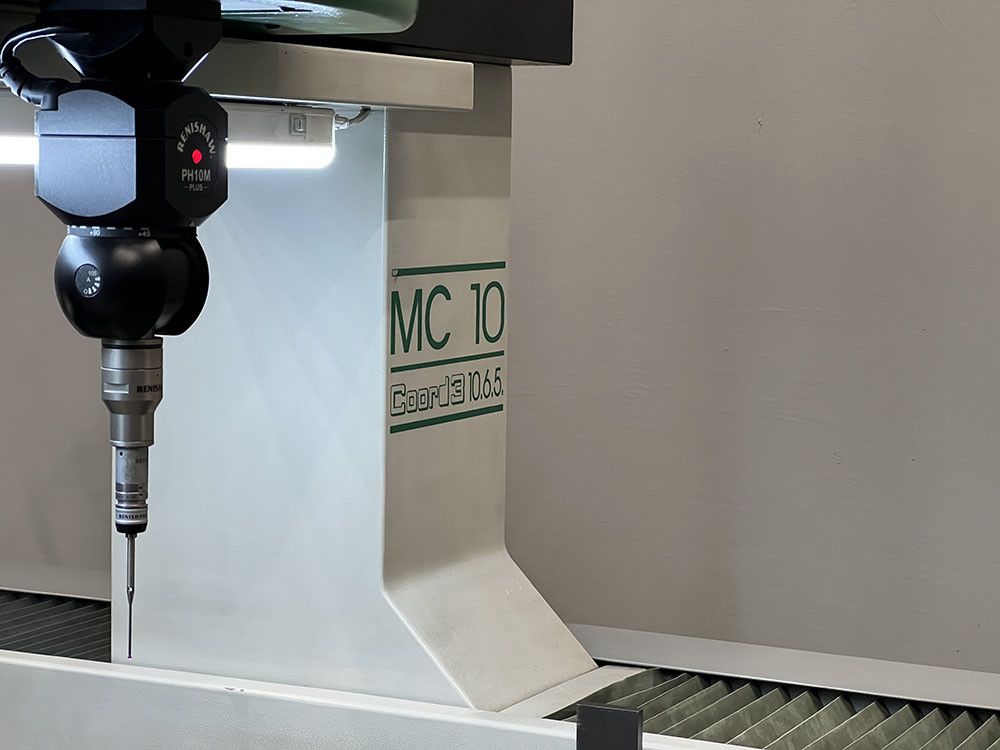
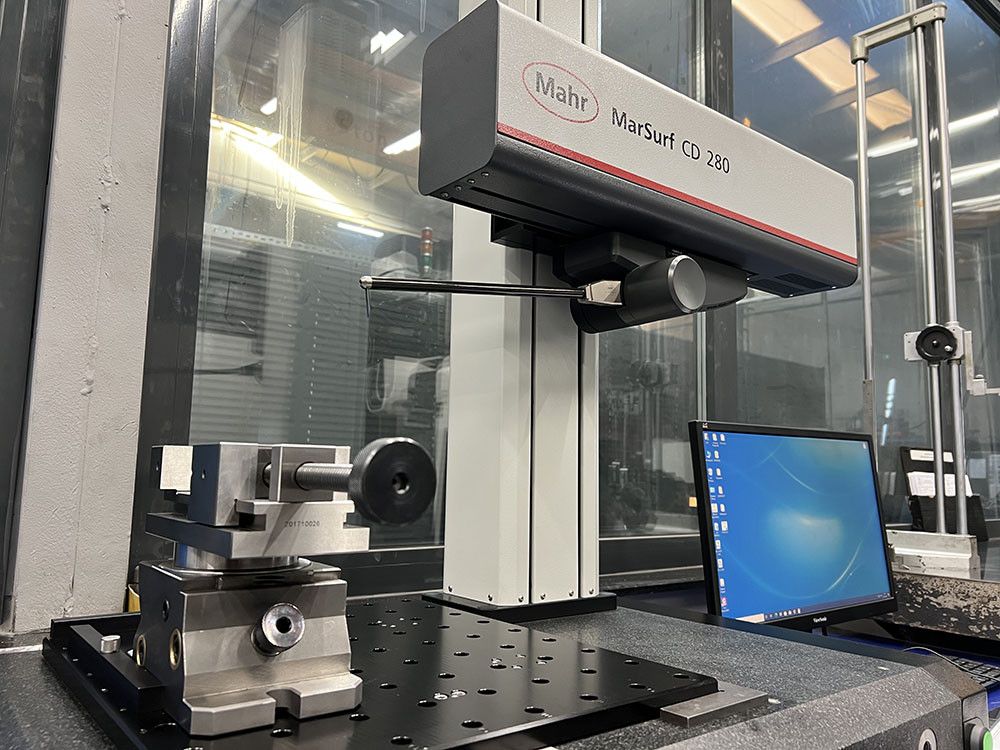
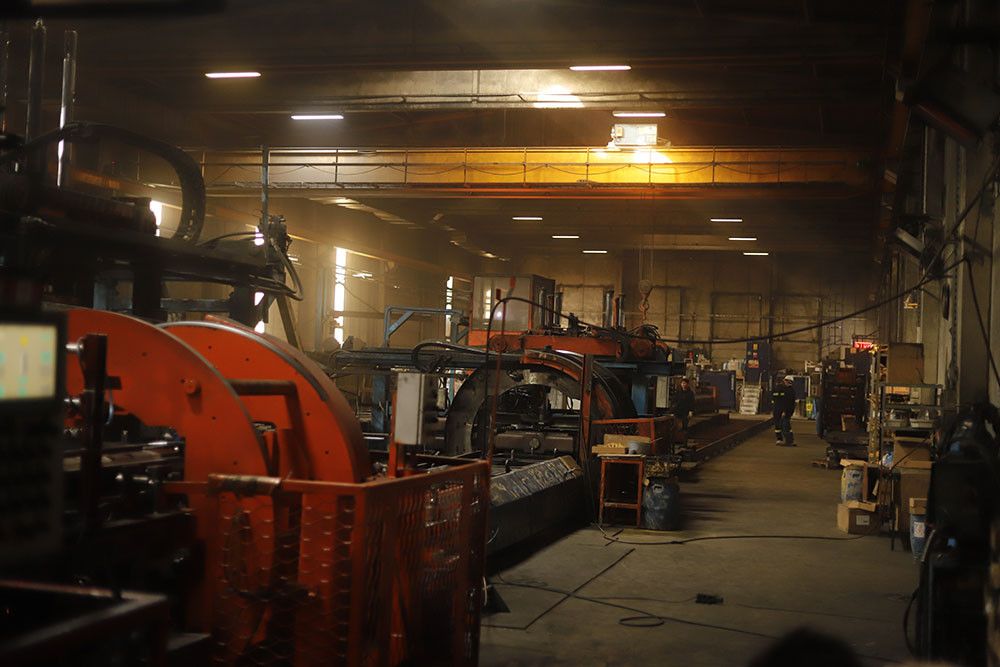
The quality of a casting is not determined in casting alone; all the stages of pattern and mould design, casting simulation, core production, melting, pouring, fettling, machining and inspection affect the result. Carrying out these stages within the same company simplifies responsibility and communication.
The suitability of the drawing for casting should also be assessed at an early stage: wall thickness transitions, section changes and machining allowances affect both cost and the risk of defects.
Because the stages depend on each other, a dimensional deviation after casting is sometimes traced back to the design of the pattern or mould. Keeping pattern, mould and casting information in one hand therefore speeds up corrective action.
For parts to be completed by machining, giving the machining allowance correctly is important: if the allowance is insufficient, casting surface defects remain visible after machining; if it is excessive, material and machining time are wasted.
Conclusion: how is the method chosen for a casting?
Casting is used in many industries because complex and heavy parts can be produced at reasonable cost; the choice of method and material is made according to the geometry, load and quantity of the part. We can assess whether a part is suitable for casting together with a drawing or a short description: the SYC Pattern Shop carries out pattern and mould work, and the Foundry carries out melting and pouring.