
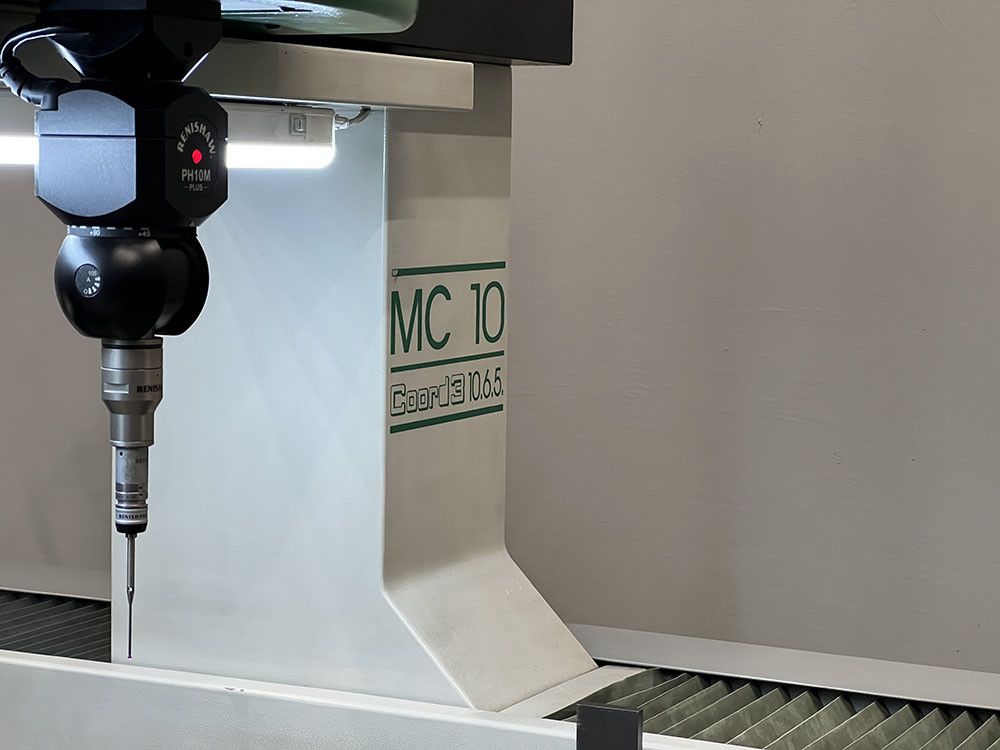
Technology trends and innovations in the foundry industry
Technology trends standing out in the foundry industry: simulation, high-strength iron grades, sand printing, process monitoring, traceability and resource efficiency.
Technical articles on ductile iron, grey iron and casting technology: material grades, quality control, applications and durability.
01 — Articles
Technology trends standing out in the foundry industry: simulation, high-strength iron grades, sand printing, process monitoring, traceability and resource efficiency.
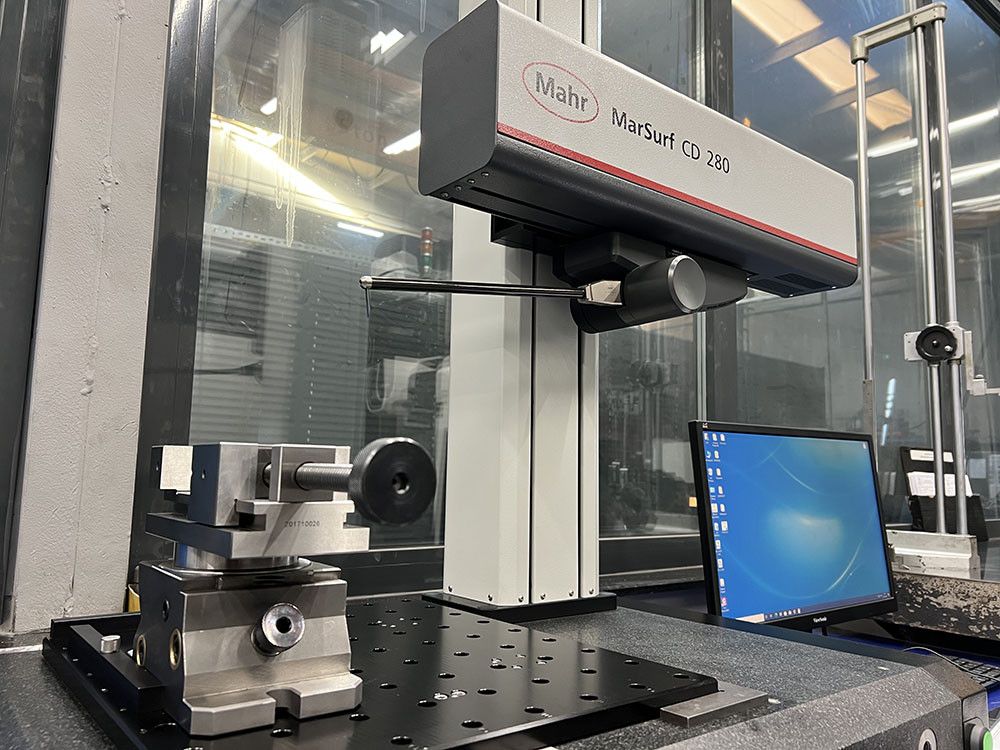
The durability of a casting is the combined result of composition, microstructure, casting defects, design, heat treatment, surface protection and service conditions.
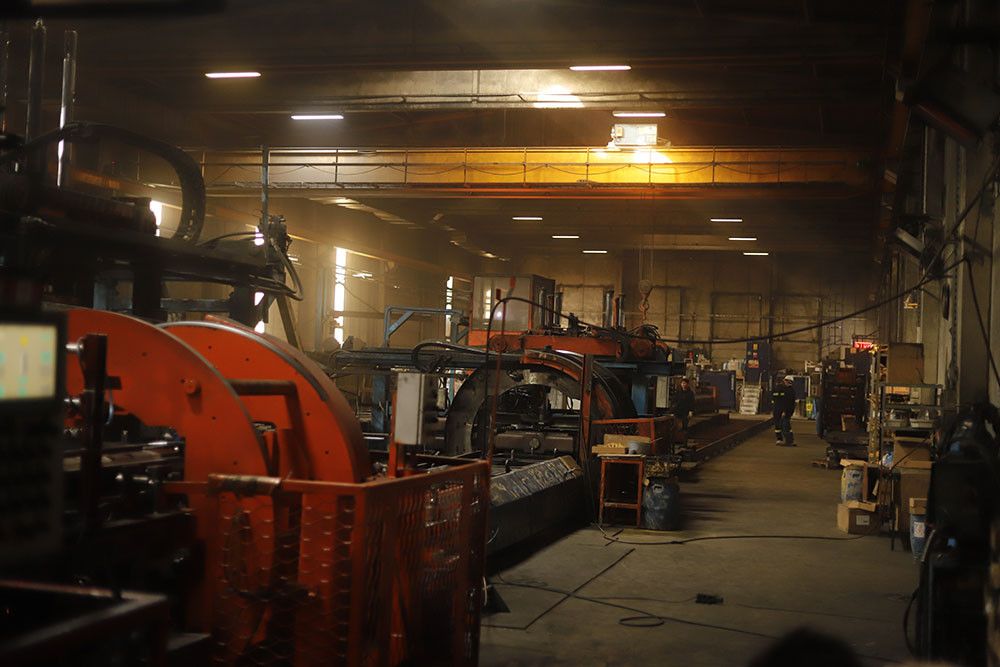
For which parts is the casting method suitable, and in which industries are castings used? Method selection and industry examples in outline.
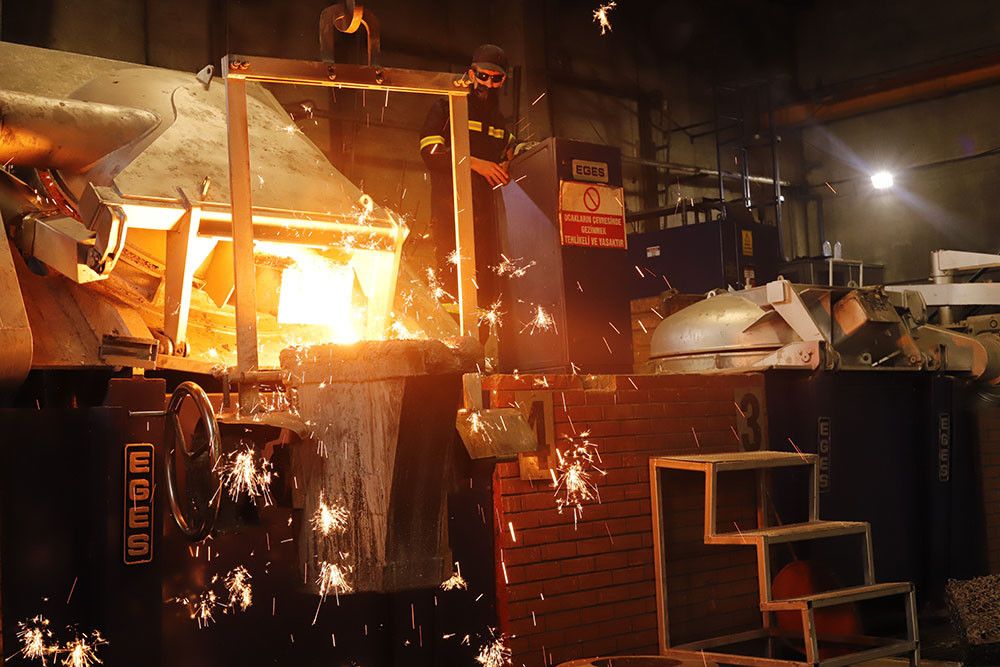
Ductile iron is a cast iron in which the graphite occurs as spheres. We explain how the structure forms and why engineers choose it.
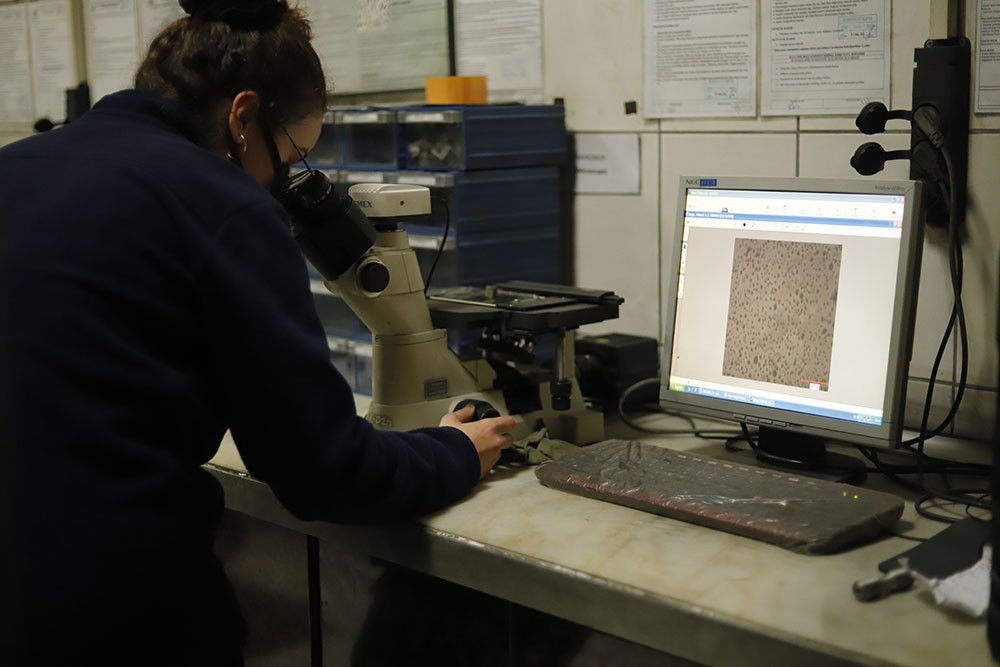
A short explanation of how quality control in ductile iron casting is set up across composition, graphite structure, mechanical testing, sand, dimensional measurement and certification.
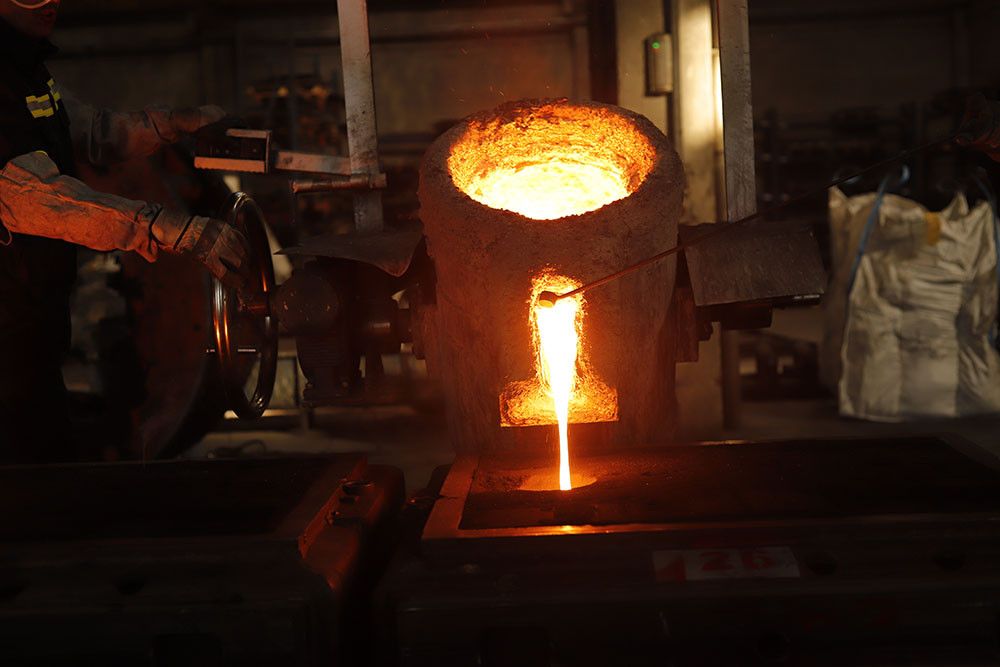
Grey iron stands out for vibration damping, compressive strength, castability and machinability. We cover its advantages together with its limitations.
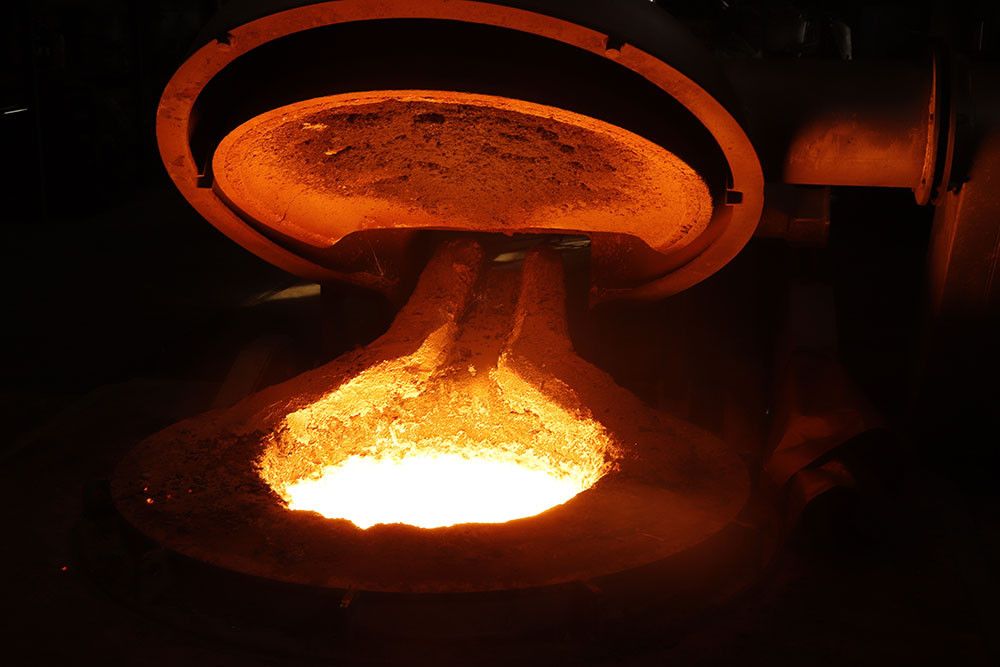
EN 1563 ductile iron grades, their GGG equivalents, tensile and yield strength, elongation, and the effect of the matrix structure (ferrite, pearlite) on mechanical properties.
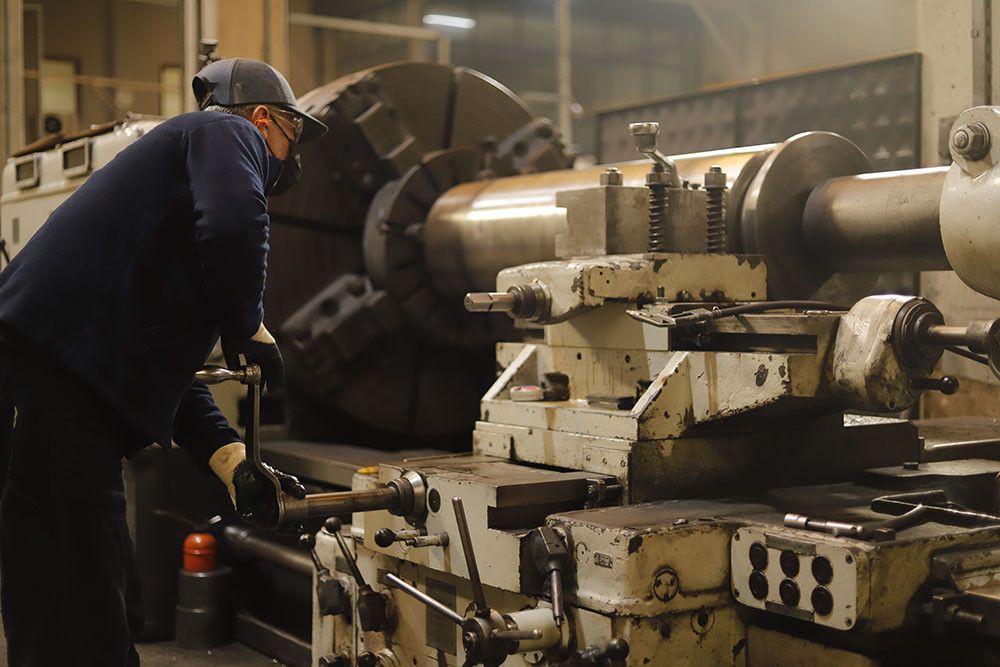
From machine tool beds to brake discs and from pump housings to heating equipment: in which parts is grey iron used, and why?
You can start with a drawing or a short description.